
What can we truly use Artificial Intelligence for in the business world? The core of running an enterprise lies in coordinating countless systems—from daily transactions and supply chains to marketing and warehouse logistics. Historically, the human ‘cognitive span’ has limited how many of these disparate data streams we can effectively synthesize. This is where an AI-driven business strategy changes the game. By connecting siloed systems into a unified, intelligent framework, organizations can move beyond human limitations and transform raw data into a powerful reasoning model.
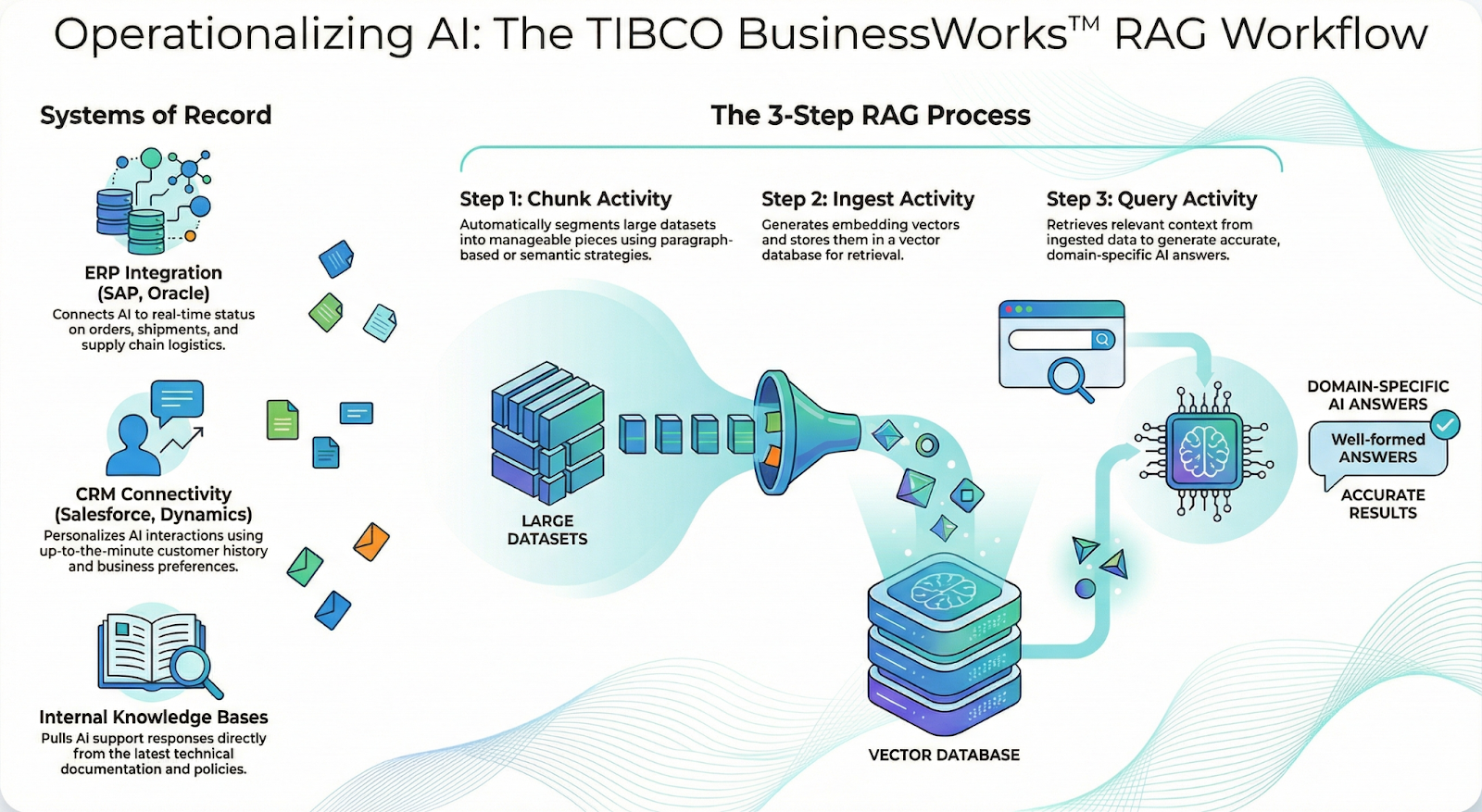
This is where an AI-driven business strategy changes the game. While people are limited, AI systems, with their capacity to process vast amounts of data simultaneously, can connect these siloed systems into a unified, intelligent framework. Imagine feeding this consolidated data into a powerful AI reasoning model—we have done this experiment, proving this is possible, with specialized servers acting as the necessary data “conduit”.
Once connected, we can ask the AI not just for simple database queries, but for complex, open-ended strategic questions. Instead of asking “What was my profit last quarter?”, we can ask: “How do I maximize my profit?” or “What should I promote and sell during this specific holiday season?” or even “How do I make my customers genuinely happy?”
The speed and depth of the analysis are astonishing. Where a deep-dive analysis by human teams might take months, the AI can return well-thought-out, deeply analyzed suggestions in minutes. Some of the AI’s proposals might be truly novel, offering valid strategies that human teams had never even considered. This capability proves that a robust AI-driven business strategy can directly shape the future of the enterprise, moving from simple queries to complex reasoning.
Case Study: AI-Driven Business Strategy in Supply Chain Discovery
An example of an AI-Driven Strategy that requires data from many different areas of the business to work is Predictive Supply Chain Risk and Anomaly Discovery. This strategy moves beyond simple inventory monitoring and requires the AI to synthesize data from silos across the organization and externally. It is a sophisticated approach that necessitates the integration of data from across various business areas.
The strategy relies on Supply Chain & Logistics data, such as real-time GPS/sensor data from shipments, supplier performance history, inventory levels, and warehouse management system (WMS) data, to continuously track current flow, identify bottlenecks, and flag underperforming partners. This is combined with Finance & Procurement data, including accounts payable/receivable data, supplier financial health reports, contract terms, and raw material cost trends, which allows the AI to predict financial instability of a critical supplier or sudden, uncontracted cost increases. Additionally, Sales & Marketing provides customer order forecasts, seasonal demand projections, social media sentiment data, and macroeconomic indicators to project the impact of a potential supply disruption on future revenue and customer satisfaction. Finally, Geopolitical & External information, like news feeds, weather patterns, political stability indices, and port closure notifications, is fed into the system to provide an early warning of events that could physically or politically interrupt a key trade route or manufacturing region.
By correlating this diverse set of internal and external data, the AI breaks human cognitive limits to drive a proactive, high-stakes business decision. Ultimately, the deployment of an AI-driven business strategy is about the evolution of the organization itself. As AI takes on the gargantuan task of data synthesis, human teams are liberated to focus on the prescriptive future. This technological leap turns strategy into a continuous process of discovery. The era of the strategic AI partner is here, demanding that we rethink not just how we run a business, but how an AI-driven business strategy can define what it can become.